Do not push the broken piece further in or jam anything into the keyway. A locksmith uses an extractor tool to pull the snapped section out, then checks why it snapped, usually a worn or stiff cylinder, and repairs or replaces the lock so it does not happen again.
Short answer: Do not push the broken piece further in or jam anything into the keyway. A locksmith uses an extractor tool to pull the snapped section out, then checks why it snapped, usually a worn or stiff cylinder, and repairs or replaces the lock so it does not happen again.
A key snapping in the lock almost always feels sudden, but it rarely is. The break is the final stage of a problem that has been building for a while. Understanding that is the difference between a one-off fix and the same thing happening again next month. If you are in Birmingham and locked out right now, what you need is an emergency locksmith who can extract the broken section and get you back inside without damaging the door or the cylinder.
Why keys snap
Keys are softer than the cylinders they turn, so when something resists, the key gives first. The usual culprits are:
- A worn cylinder.Years of use round off the internal pins and the key has to be forced to turn.
- A stiff or dry lock.Grit and lack of lubrication make the mechanism drag.
- A worn key.A favourite key copied many times loses its crisp profile and binds.
- A misaligned door.On uPVC doors especially, a dropped door puts the mechanism under load, and you feel it as a stiff key right before it breaks.
What not to do
Resist the urge to dig at it. Pushing the broken piece deeper, or poking glue, tweezers or a second key into the keyway, usually wedges it tighter and can damage the pins. If part of the key is sticking out, do not yank it with pliers at an angle, as you will often snap it again flush with the face.
The calmest thing you can do is stop, leave the lock alone, and call a locksmith. Extraction is quick and clean when the cylinder has not been mangled first.
How a locksmith removes it
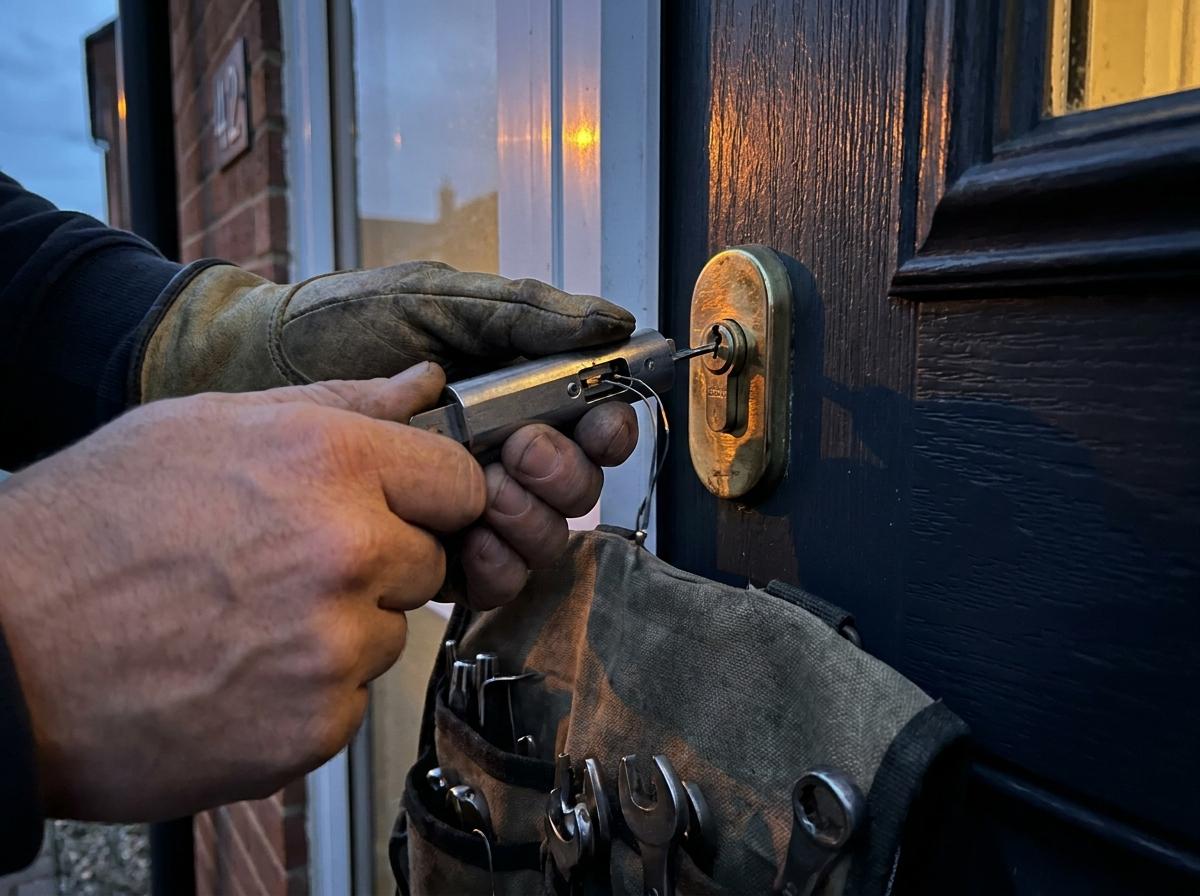
A locksmith uses a thin extractor tool that hooks into the cut of the broken key and draws it straight back out along the keyway. With the right tool it is often a couple of minutes' work and the cylinder is unharmed. The important part comes next: working out why it snapped.
What the job actually looks like on the doorstep
When I arrive at a job in Birmingham or the surrounding West Midlands, the first thing I do before touching anything is look at what is already there. I want to know how much of the key is visible, whether the door is sitting squarely in the frame, and whether the cylinder has any obvious signs of wear or past damage. That thirty-second assessment tells me which extractor to reach for and whether I am likely to need to replace the cylinder once the broken piece is out.
If the break point is deep in the cylinder, I will use a finer hook. If the key snapped right at the bow, where your fingers grip, the remaining piece is shorter and sometimes needs a different approach, working with the lock's own spring tension to ease the broken section back rather than hooking the cut directly. In most cases the piece comes out cleanly. Once it is out I examine both ends of the break. A clean, sharp break across the blade usually points to a sudden overload on a key that was already fatigued. A rougher, more granular break often means the key had been bending under load for some time before it finally gave.
I then turn the cylinder by hand or with a probe to check how it moves. A cylinder that turns freely with no key in it is generally in reasonable condition. One that is stiff, grinds, or has obvious play in it tells me the lock itself is part of the problem. That is the conversation I have with the householder before I do anything else, because fitting a new key to a tired cylinder is a short-term answer.
When the cylinder needs to come out too
Not every snapped-key job ends with extraction alone. If I can feel that the cylinder is worn, or if the homeowner tells me the key has been getting progressively stiffer over the past weeks or months, then replacing the cylinder at the same visit makes sense. It saves a second callout and, more importantly, it means the door is properly secure when I leave.
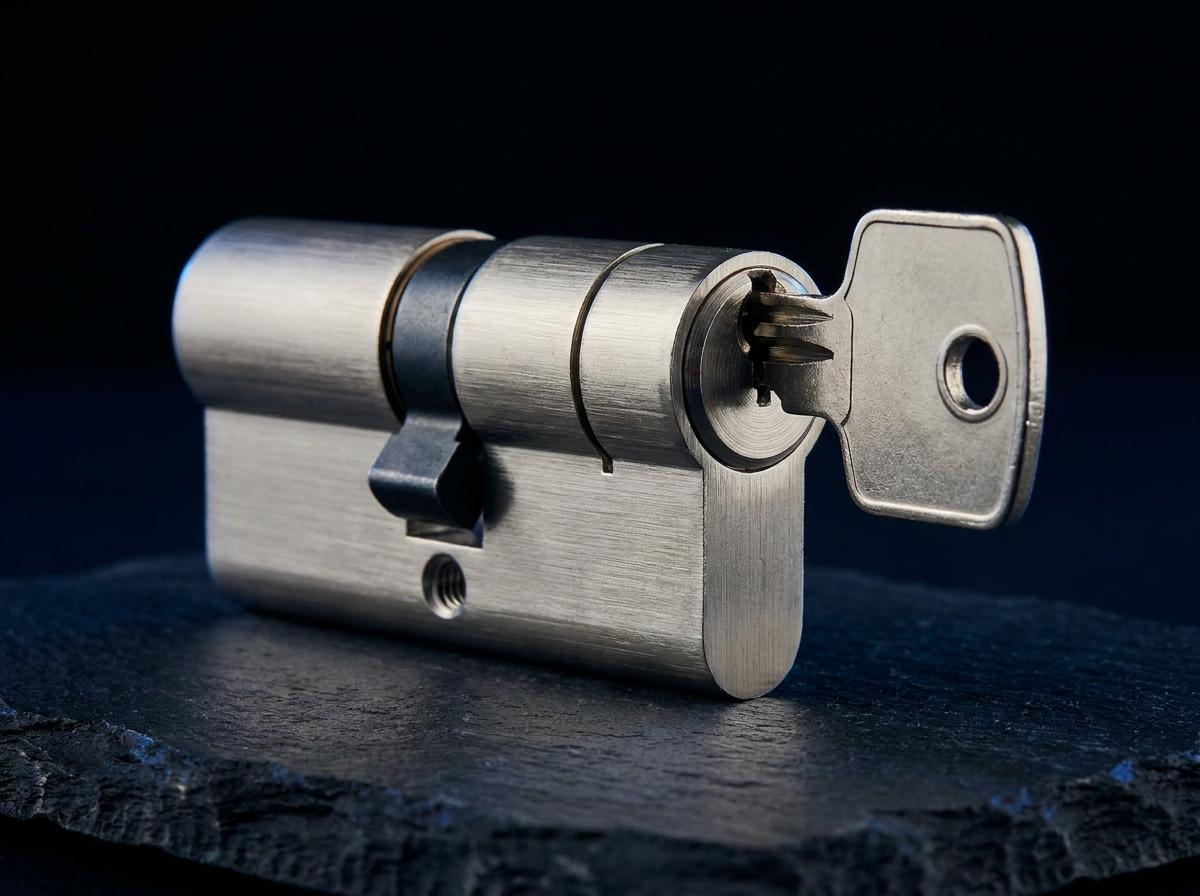
On older properties across Birmingham I often find cylinders that were fitted when the house was built or last sold, sometimes ten or fifteen years ago, with no upgrade since. A standard euro cylinder offers very little resistance to lock-snapping, which is a common burglary method where an intruder uses a snap tool to break the cylinder at its weakest point and then manipulate the mechanism directly. If the lock is coming out anyway, fitting a high-security anti-snap cylinder at that point is the obvious move. The cylinder is designed so that if the outer section is snapped off, the lock remains secure rather than opening.
For tenanted properties or recently purchased homes, a lock change is often the right outcome regardless of whether the key snapped from wear. A lock change gives the new occupant confidence that no previous keyholder can still get in, and it is quicker and less disruptive than most people expect.
Fixing the cause, not just the symptom
If the cylinder is worn or the lock is stiff, the locksmith should tell you, because a fresh-cut key in a tired lock will simply snap again. Often the right answer is a new cylinder, and if your door still has a basic euro cylinder, this is the sensible moment to fit a high-security anti-snap cylinder instead. If your key snapped because a uPVC door has dropped, the real fix is a door and mechanism adjustment, not just a new key.
How to tell if your door has dropped
A dropped uPVC door is one of the more common reasons I see snapped keys on Birmingham doorsteps, and it is also one of the most consistently misdiagnosed. The householder assumes the lock is at fault and has sometimes already bought a new cylinder before I arrive. In most cases the cylinder is fine. The problem is that the door has sagged slightly on its hinges, which pulls the multipoint locking mechanism out of alignment with the keeps in the frame. You have to lift the handle higher than usual to engage the locks, and you have to put more effort into turning the key because the deadbolts or rollers are pressing hard against the keeps rather than sliding into them cleanly.
The test is simple. When the door is open, look at the gap between the door and the frame along the hinge side and along the top. If the gap is uneven, the door has moved. A locksmith or a window and door specialist can adjust the hinges to bring it back into alignment. Once the door sits correctly the mechanism operates with much less effort and the load on the key drops away. On its own, this adjustment can extend the life of both the cylinder and the key by a considerable margin.
If the mechanism itself has been damaged by the door running out of alignment for a long time, a uPVC door lock repair may be needed alongside the hinge adjustment. The gearbox inside the door carries all the moving parts of the multipoint lock, and it can wear out or crack under sustained misalignment stress.
Doctor Locks extracts snapped keys and repairs the underlying lock across Birmingham and the West Midlands, including Stourbridge, Solihull and Kings Heath. You can find the full list of areas covered on the locations page.
FAQ
Can you get a broken key out without replacing the lock?
Usually, yes. With a proper extractor tool the broken section comes out cleanly and the cylinder is undamaged. We only recommend replacing the lock if it is worn or was the reason the key snapped in the first place.
Half my key is still sticking out, can I just pull it?
If it is gripping well you can try a gentle, straight pull with pliers, but if it resists, stop. Pulling at an angle often snaps it flush with the lock face, which makes extraction harder. If in doubt, leave it for a locksmith.
My key keeps getting stiff, is that a warning sign?
Yes. A stiff key is the most common warning before a snap. Get the lock serviced or replaced before it fails, ideally upgrading to a high-security cylinder at the same time.
I need an emergency locksmith in Birmingham right now, how quickly can someone come?
Doctor Locks covers Birmingham and the wider West Midlands for emergency callouts including snapped keys. The best thing to do is call directly rather than wait. Do not touch the lock in the meantime, as a clean keyway is always easier and faster to work with than one that has been poked at.
Will the door or frame be damaged during extraction?
Not if the right tools are used and the keyway has not been tampered with before the locksmith arrives. Extractor tools are designed to work entirely inside the cylinder without touching the door, the frame or the lock face. The risk of damage goes up when someone has already been digging at the broken piece with screwdrivers, knives or improvised hooks before calling for help.
Related guides and pages
Need a locksmith now?
Doctor Locks aims to reach you within the hour across Birmingham and the West Midlands. Read more about Emergency Locksmith.
Frequently asked questions
Can you get a broken key out without replacing the lock?+
Usually, yes. With a proper extractor tool the broken section comes out cleanly and the cylinder is undamaged. We only recommend replacing the lock if it is worn or was the reason the key snapped in the first place.
Half my key is still sticking out, can I just pull it?+
If it is gripping well you can try gentle, straight pull with pliers, but if it resists, stop. Pulling at an angle often snaps it flush with the lock face, which makes extraction harder. If in doubt, leave it for a locksmith.
My key keeps getting stiff, is that a warning sign?+
Yes. A stiff key is the most common warning before a snap. Get the lock serviced or replaced before it fails, ideally upgrading to a high-security cylinder at the same time.
Jason has been a locksmith since 1999 and runs Doctor Locks personally, attending jobs across Birmingham and the wider West Midlands. Every article here is written from real work on real doors, not theory.