
If your Stourbridge premises has been broken into, here is exactly what a commercial locksmith does on arrival and why the order of work matters.
I have been called to commercial break-ins across Birmingham and the West Midlands for over twenty years, and the calls from Stourbridge businesses are rarely any different from the rest. Someone arrives at their unit on a trading estate off the A458, or opens up their shop near the town centre, and finds the door hanging open or the frame splintered. The immediate question is always the same: what do I do now?
If you are searching for a commercial locksmith Stourbridge, the chances are you are either dealing with this right now or trying to make sure you are prepared before it happens. Either way, this article walks through what the job actually involves, what I see on the doorstep, and where most businesses have already gone wrong before I arrive.
The First Thing a Commercial Locksmith Does on Arrival
Before I touch anything, I look at the door and the frame as a whole. People assume the first job is to fit a new lock. It is not. The first job is to work out whether the door, the frame, or the surrounding structure is still sound enough to hold a lock at all.
On a commercial premises, break-ins often involve more force than a residential entry. If a roller shutter has been forced, or a steel door frame has been bent, fitting a shiny new cylinder into a compromised frame is pointless. The lock will only be as strong as what it sits in. I see this missed fairly regularly on commercial sites where an earlier locksmith has changed the cylinder and left a cracked frame or loose keep plate behind.
Once I am satisfied the structure is solid, or have explained what needs repairing if it is not, I assess exactly how entry was made. That tells me what needs replacing and, more usefully, what should be upgraded rather than just replaced like for like.
Lock for Like Replacement Versus Upgrading After a Break-In
The most common thing I see on commercial doors that have been broken into is a standard Euro cylinder that has been snapped. Lock snapping is the most frequent method on commercial doors with Euro profile locks because the cylinder can be sheared off with basic tools in seconds. Replacing it with an identical standard cylinder solves nothing.
On commercial premises I will usually recommend moving to a higher-security anti-snap cylinder. These are built with a sacrificial section that breaks away before the mechanism inside is reached, which makes the snapping technique fail. If your premises uses Euro cylinders on any of its doors, this is worth understanding before you are replacing them under pressure after a break-in. You can read more about how anti-snap cylinders work on the anti-snap lock upgrades page.
Other common upgrades I discuss on a commercial callout include:
- Replacing single-point locking with multi-point locking on composite or uPVC commercial doors
- Adding a deadlock or rim lock as a secondary locking point on timber doors
- Upgrading door hinges to security hinges with anti-tamper bolts
- Fitting a letterbox restrictor or cage where a letterbox is close enough to the lock to allow someone to reach through
- Checking that all side and rear access doors are at the same standard as the main entrance
That last point is one businesses frequently overlook. All the attention goes on the front door, and the fire exit at the back still has a lock that could be opened with a credit card.
What a Commercial Site Walk Tells Me That a Homeowner Visit Does Not
Residential and commercial locksmith work overlap in technique but they differ considerably in scope. A house has one or two external doors. A commercial premises might have a roller shutter, a separate pedestrian access door, a loading bay, a fire exit, a separate office within the unit, and a server room or cash handling area inside that also needs its own security.
When I attend a Stourbridge business after a break-in, I will often walk the full perimeter with the owner or manager. This is not about selling work. It is the only way to give an honest assessment. What I am looking for includes:
- Doors that are alarmed but not properly deadlocked when closed
- Padlocks on outbuildings or compounds that are a higher grade than the hasp they sit on
- Internal office doors with cheap rim latches on units that hold stock or sensitive documents
- Master key systems that have grown organically over years and no longer have any clear key control
Master key systems that have been added to over time are one of the things I see most often on commercial sites in the Stourbridge and Dudley area. Keys get cut informally, old staff leave without returning keys, and nobody is entirely sure how many copies exist. After a break-in is often the first time a business owner properly confronts that problem.
Stourbridge Commercial Properties: What the Local Area Tends to Look Like
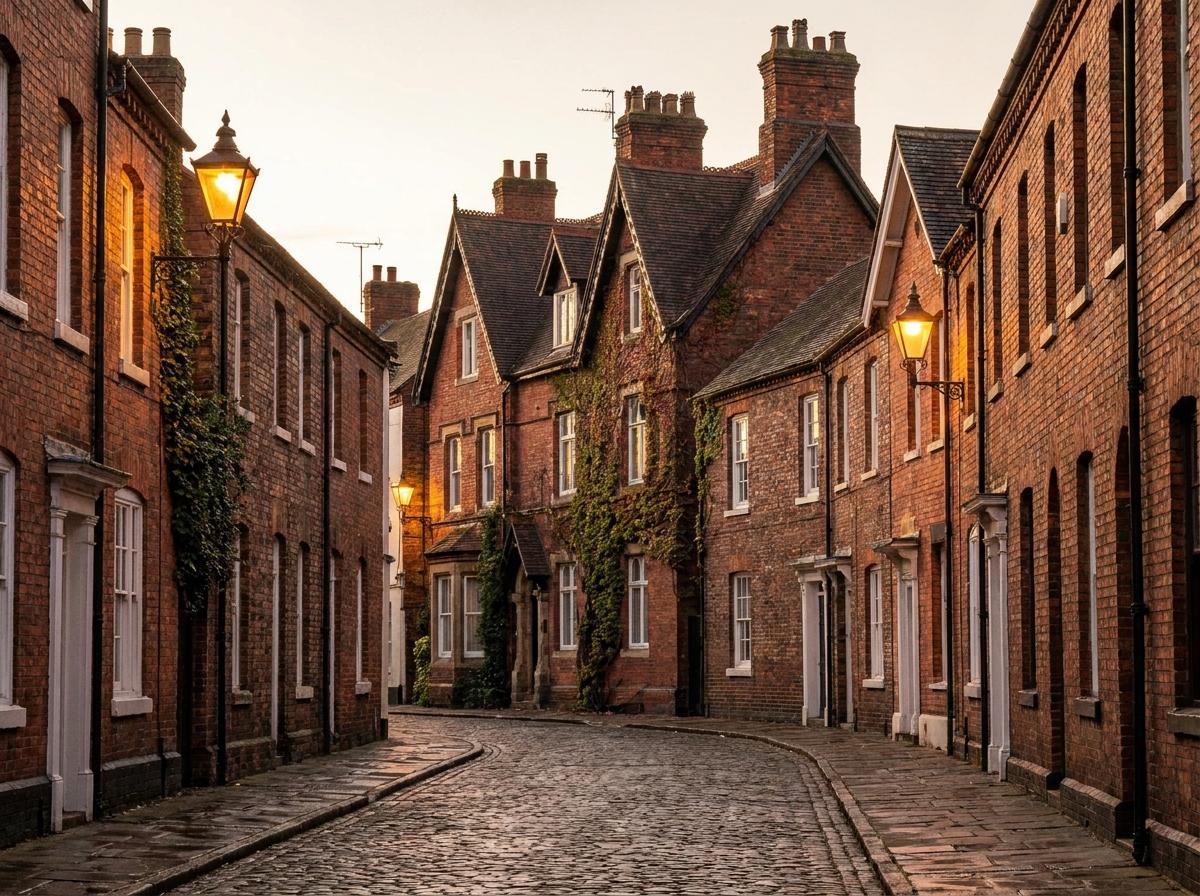
Stourbridge has a mix of retail premises in the town centre, industrial units on the surrounding estates, and a number of older commercial buildings that still have original door furniture. The older retail units near the High Street and Crown Centre sometimes have timber doors with ageing multi-point locks that have been repaired multiple times. On the industrial estates, steel doors with Euro cylinders are common, and those are the ones most likely to have been snapped.
Stourbridge is also close to the boundaries with Dudley and Halesowen, and businesses near those edges sometimes find it harder to get a locksmith who knows the area properly. If you are on the Dudley side you might also find the Locksmith in Dudley DY1 and Locksmith in Halesowen B62 pages useful for understanding the coverage area.
| Door Type | Common Weakness Seen | Typical Remedy |
|---|---|---|
| Steel door with Euro cylinder | Cylinder snapping | Anti-snap cylinder replacement |
| Timber door with mortice lock | Worn bolt, weak keep plate | New mortice lock, box keep, longer screws |
| uPVC commercial door | Single-point locking, snapped cylinder | Anti-snap cylinder, check multipoint mechanism |
| Roller shutter with separate pedestrian door | Pedestrian door under-secured | Deadlock addition, anti-snap cylinder |
If you would rather someone looked at it in person, you can see what we cover on our locksmith services in Stourbridge page.
FAQ: Questions Stourbridge Business Owners Ask After a Break-In
Do I need to contact the police before calling a locksmith?
Yes, always report a break-in to the police first and get a crime reference number. Your insurer will require it. A locksmith can make the premises secure immediately, but the police need to attend before the scene is disturbed where possible. In practice, on a commercial premises where you cannot leave the building unsecured, making it safe takes priority, but call the police at the same time or as soon as you can.
Will my insurance cover the locksmith work?
Most commercial insurance policies include cover for lock replacement after a confirmed break-in, but the detail varies. Some policies require you to use a locksmith on an approved list, others will reimburse a reasonable cost afterwards. Check your policy wording before the work starts and keep all invoices. A crime reference number is usually required to make a claim.
How do I know if my locks need upgrading rather than just replacing?
If the lock was defeated by snapping, drilling, or manipulation rather than physical door damage, that tells you the lock itself was the weakness. Replacing like for like puts you back where you started. A locksmith should be able to show you how entry was made and explain what a better-specified lock would do differently. If they cannot explain it clearly, ask them to.
Can a locksmith re-key my existing locks instead of replacing them?
On some commercial lock types, yes. Re-keying changes the internal pin configuration so that old keys no longer work, without replacing the whole lock body. This is useful after a staff change or lost key situation. However, if the locks are old, worn, or were already a lower security grade, re-keying them does not address those underlying problems.
What should I do about a master key system if keys may have been taken during a break-in?
If there is any possibility that a key to your master key system has been taken or copied, the safe assumption is that the system is compromised. In that situation, the relevant cylinders need replacing. A locksmith who understands commercial master key systems can assess which cylinders are affected and replace only those, rather than the entire system, if the key hierarchy allows for it. This is a specialist area and not every locksmith works with commercial master key systems regularly.
If you run a business in Stourbridge and want to discuss your current security setup, or you need someone on site after an incident, you can find full details of coverage and how to get in touch on the commercial locksmith services page, or go directly to the contact page to request a callout or a security check.
Need a locksmith now?
Doctor Locks aims to reach you within the hour across Birmingham and the West Midlands. Read more about Stourbridge.
Jason has been a locksmith since 1997 and runs Doctor Locks personally, attending jobs across Birmingham and the wider West Midlands. Every article here is written from real work on real doors, not theory.