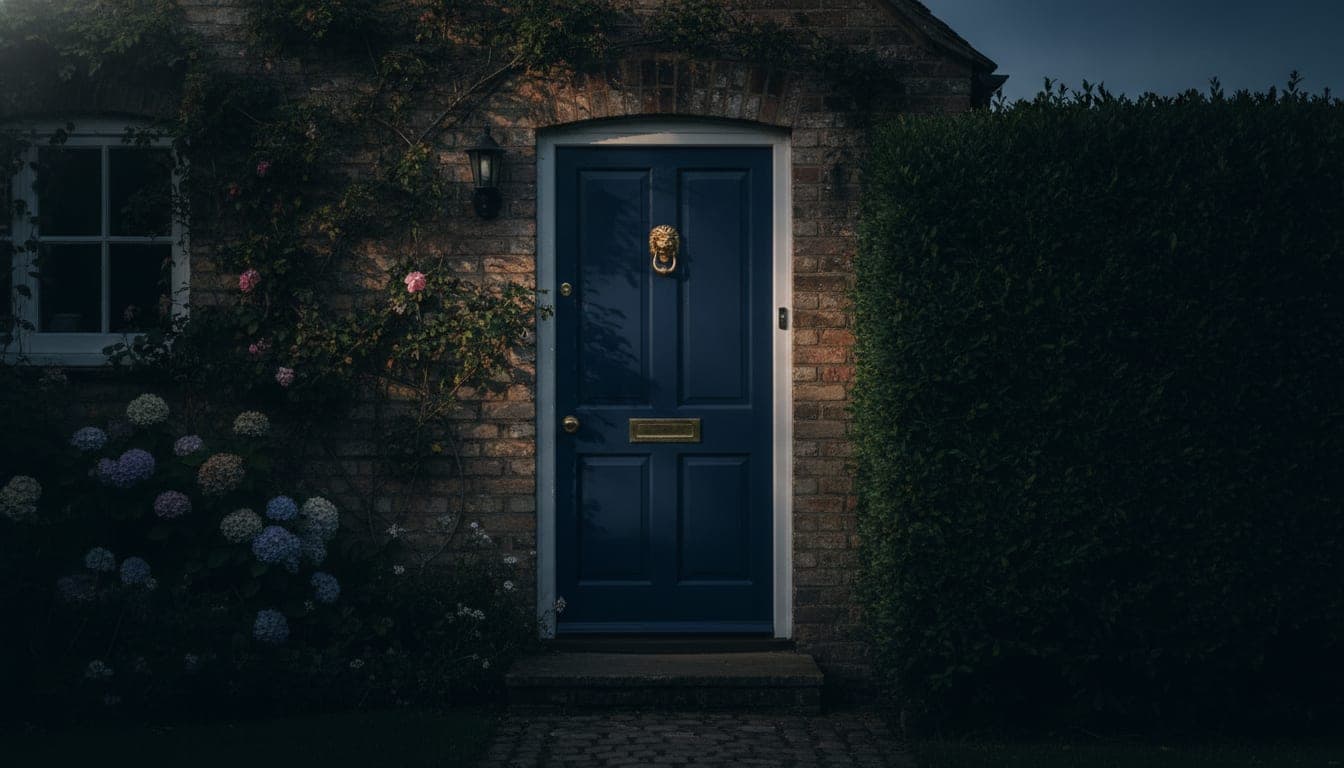
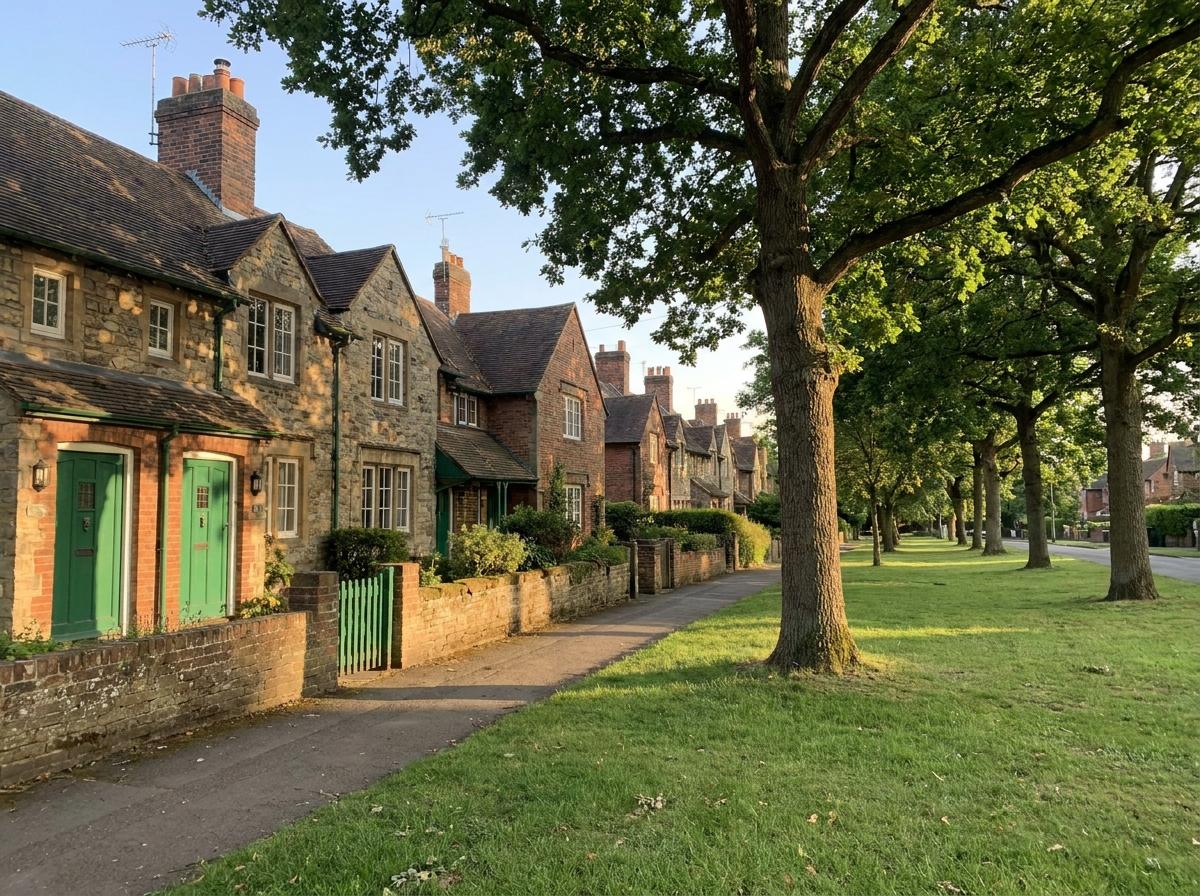
Much of Bournville sits in a conservation area, with Arts and Crafts houses managed by the Bournville Village Trust and inter-war semis, many with rules about exterior appearance. The trick is sympathetic security: high-security anti-snap cylinders fitted behind original-looking furniture, so protection improves without changing the look of the door.
Short answer: Much of Bournville sits in a conservation area, with Arts and Crafts houses managed by the Bournville Village Trust and inter-war semis, many with rules about exterior appearance. The trick is sympathetic security: high-security anti-snap cylinders fitted behind original-looking furniture, so protection improves without changing the look of the door. If you need an emergency locksmith in Bournville right now, the same principles apply on an urgent callout as on a planned upgrade.
Bournville is unlike anywhere else we cover. The historic Village Trust estate around the Green, along with Cotteridge, Stirchley and Selly Park, includes a great deal of conservation-area property where how the house looks is genuinely protected. That puts a specific spin on security, whether the job is planned or whether you have just found yourself locked out on a wet Tuesday evening.
Security that respects the property
On a Trust or conservation-area home, you cannot simply bolt on whatever hardware you like, and you would not want to. The good news is that you rarely need to. The security of a modern lock lives in the cylinder, not the visible furniture, so we can fit a high-security anti-snap cylinder while keeping the original-looking handles and escutcheons. The door looks the same; the protection is transformed.
The common B30 jobs
- Sympathetic cylinder upgradeson period front doors that still carry basic locks.
- Lock changeswhen buying a Trust or conservation home, keeping the look intact, see lock changes in Bournville.
- uPVC and composite repairson the later doors fitted to inter-war semis around Cotteridge and Stirchley.
In Bournville the brief is almost always the same: improve the security as much as possible while changing the appearance as little as possible. That is exactly what a well-chosen cylinder achieves.
What an emergency callout in Bournville actually involves
When someone calls for an emergency locksmith in Bournville, the job usually falls into one of three categories: a straightforward lockout where the key is inside, a snapped or broken key in the barrel, or a failed mechanism that has left the door either stuck open or stuck shut. Each of these looks different on arrival and takes a different approach.
On a period Bournville door, a lockout is usually the cleanest of the three. Most original five-lever mortice locks can be opened non-destructively by a competent locksmith. The goal is always to get in without drilling, because drilling an original escutcheon or damaging a period surround is exactly the kind of outcome a Trust homeowner does not want. In most cases, on a standard five-lever, non-destructive entry is achievable. The times when it is not are generally when the lock is heavily corroded, when the bolt has been thrown from outside with a key, or when there has been a previous forced entry and the lock was already compromised before we arrived.
A snapped key is a different problem. The break almost always happens at the weakest point, which on a basic euro cylinder is at the anti-pick pins, leaving the tip inside the barrel. On a good quality cylinder, the snap point is engineered differently and the break tends to happen further out, making extraction far easier. This is one of the practical reasons why upgrading the cylinder before something goes wrong is worth doing: a broken key in a quality cylinder is a ten-minute job. In a cheap cylinder it can mean replacing the lock entirely because the fragment cannot be retrieved cleanly.
Failed mechanisms on uPVC doors are the most involved callout type in Bournville. The inter-war semis around Cotteridge and Stirchley were often fitted with replacement uPVC doors in the 1990s and early 2000s, and the multipoint mechanisms in those doors are now reaching the end of their working lives. A gearbox failure can leave the door locked from the outside with no way in, or it can leave it unable to latch properly so it will not lock at all. Either situation needs the mechanism identified, sourced and replaced. The door furniture itself can usually be retained.
What people get wrong before calling
The most common mistake on a lockout is forcing the door. It is understandable, especially late at night, but forcing a period door damages the frame, the lock keep and sometimes the door leaf itself. Repairs to a timber frame on a conservation property are not straightforward and can be expensive. A locksmith who opens the door non-destructively costs less overall, and the door ends up in better condition.
The second mistake is assuming that because the lock looks original and solid, it must be secure. Many period Bournville doors carry locks that were fitted decades ago to the standards of the time. They are not inherently bad, but they are not rated to current British Standards, they are not anti-snap and they would not stop a determined intruder for long. The age and appearance of the lock tells you nothing about its resistance to modern attack methods.
The third mistake, particularly on Trust properties, is assuming that any security upgrade will require visible changes that the Trust will not permit. In practice, because the cylinder sits inside the door and the escutcheon plate is the only thing visible from outside, a full security upgrade can be entirely invisible. We have done this on some of the most original and intact doors on the Trust estate without any change to the exterior appearance at all. If you are uncertain about what your Trust lease permits, it is worth reading the terms before calling, but in our experience cylinder replacements have never presented a problem.
Cylinders, mechanisms and what the choice actually means
There are two distinct lock types you will encounter on Bournville doors, and they need different solutions.
The first is the traditional five-lever mortice, found on most pre-war and early post-war timber doors on the Trust estate. These are lock bodies set into the door edge, operated by a key from outside and a turn from inside. The security in these locks comes from the number and quality of the levers. A basic five-lever meets the minimum insurance standard but no more. An upgraded mortice to BS3621 is a meaningful step up. These locks do not use a euro cylinder, so the anti-snap cylinder conversation does not directly apply, though there are equivalent quality upgrades available.
The second type is the euro cylinder, found in most uPVC doors and in many composite doors fitted to inter-war and later properties. This is the barrel-shaped component that takes a yale-style key. Basic euro cylinders are vulnerable to snapping: a specific attack method that can open a door in under a minute. A quality anti-snap cylinder is engineered so that if the cylinder is attacked, the outer section breaks away but the inner section, which controls the lock, remains intact and the door stays locked. For uPVC door owners in Bournville, this is the single most cost-effective security improvement available.
If you are not sure which type of lock you have, describe the key to us. A traditional mortice key is long with a flag-shaped bit at the end. A euro cylinder key is short with a series of cuts along the blade.
Where to start
If you own a period Bournville home with original locks, a sympathetic cylinder upgrade is the obvious first step. If you have just bought a Trust property, read why a lock change belongs on the moving-in list, and for the full local picture see our Bournville locksmith page. If you would like us to take a look at what you have before committing to anything, you can get in touch to arrange a visit.
FAQ
Can you upgrade locks on a Bournville Village Trust home?
Yes. We work on Trust and conservation-area homes and keep changes sympathetic, upgrading the cylinder for far better security while retaining the original look of the door and handles wherever possible.
Will an anti-snap upgrade change how my period door looks?
No. The security is in the cylinder, which sits inside the door. We can fit a high-security cylinder behind original-looking furniture, so the appearance stays the same.
What happens if I am locked out of a Bournville period home?
Call us and we will aim to open the door non-destructively. On a standard five-lever mortice that is usually achievable. We will always try the non-destructive route first because protecting the door and its furniture matters, especially on a conservation or Trust property.
My uPVC door mechanism has failed. Can you repair it without replacing the whole door?
In most cases, yes. The mechanism, gearbox and cylinder can all be replaced independently. The door itself and its furniture usually do not need to be touched. We carry a range of common replacement mechanisms and can often complete the repair on the first visit.
Is a period mortice lock as secure as a modern cylinder?
Not necessarily. Age and appearance are not reliable guides to security. Many original mortice locks in Bournville homes pre-date current British Standards and would not resist a determined attack for long. A locksmith can tell you whether what you have meets BS3621 and what the options are if it does not, without any obligation to change anything on the day.
Related guides and pages
Need a locksmith now?
Doctor Locks aims to reach you within the hour across Birmingham and the West Midlands. Read more about Bournville.
Frequently asked questions
Can you upgrade locks on a Bournville Village Trust home?+
Yes. We work on Trust and conservation-area homes and keep changes sympathetic, upgrading the cylinder for far better security while retaining the original look of the door and handles wherever possible.
Will an anti-snap upgrade change how my period door looks?+
No. The security is in the cylinder, which sits inside the door. We can fit a high-security cylinder behind original-looking furniture, so the appearance stays the same.
Jason has been a locksmith since 1999 and runs Doctor Locks personally, attending jobs across Birmingham and the wider West Midlands. Every article here is written from real work on real doors, not theory.