Most burglaries are opportunist, fast, and rely on a weakness rather than skill: an unlocked door, a snappable cylinder, a vulnerable uPVC mechanism, or poor visibility at the back of the house. The four fixes that matter most are locking up properly every time, fitting anti-snap cylinders, keeping mechanisms in good order, and removing easy cover and access at the rear.
Short answer: Most burglaries are opportunist, fast, and rely on a weakness rather than skill: an unlocked door, a snappable cylinder, a vulnerable uPVC mechanism, or poor visibility at the back of the house. The four fixes that matter most are locking up properly every time, fitting anti-snap cylinders, keeping mechanisms in good order, and removing easy cover and access at the rear.
Burglary sounds dramatic, but the everyday reality is mundane and fast. The typical intruder is not a master criminal, they are an opportunist looking for the quickest, quietest way in with the least risk of being seen. Once you understand that, protecting your home becomes a matter of removing the easy options rather than building a fortress.
As a residential locksmith in Harborne and across the wider West Midlands, I have been called to enough break-ins and security checks since 1999 to see the same patterns repeat. The issues are rarely exotic. They are the same handful of weaknesses, appearing on doorstep after doorstep, in streets that look perfectly ordinary.
How they actually get in
- Through an unlocked door or window.A frustrating number of break-ins involve no force at all. A back door left on the latch while you are in the garden, or a window left open, is the easiest entry there is.
- By snapping the cylinder.On uPVC and composite doors, snapping a standard euro cylinder takes seconds and no skill. It is one of the most common methods in the region.
- By exploiting a weak mechanism.A poorly maintained or misaligned uPVC door can be forced more easily than a sound one.
- At the back, out of sight.Intruders strongly prefer doors and windows that are not overlooked, where they can work unhurried.
What I actually see on Harborne doorsteps
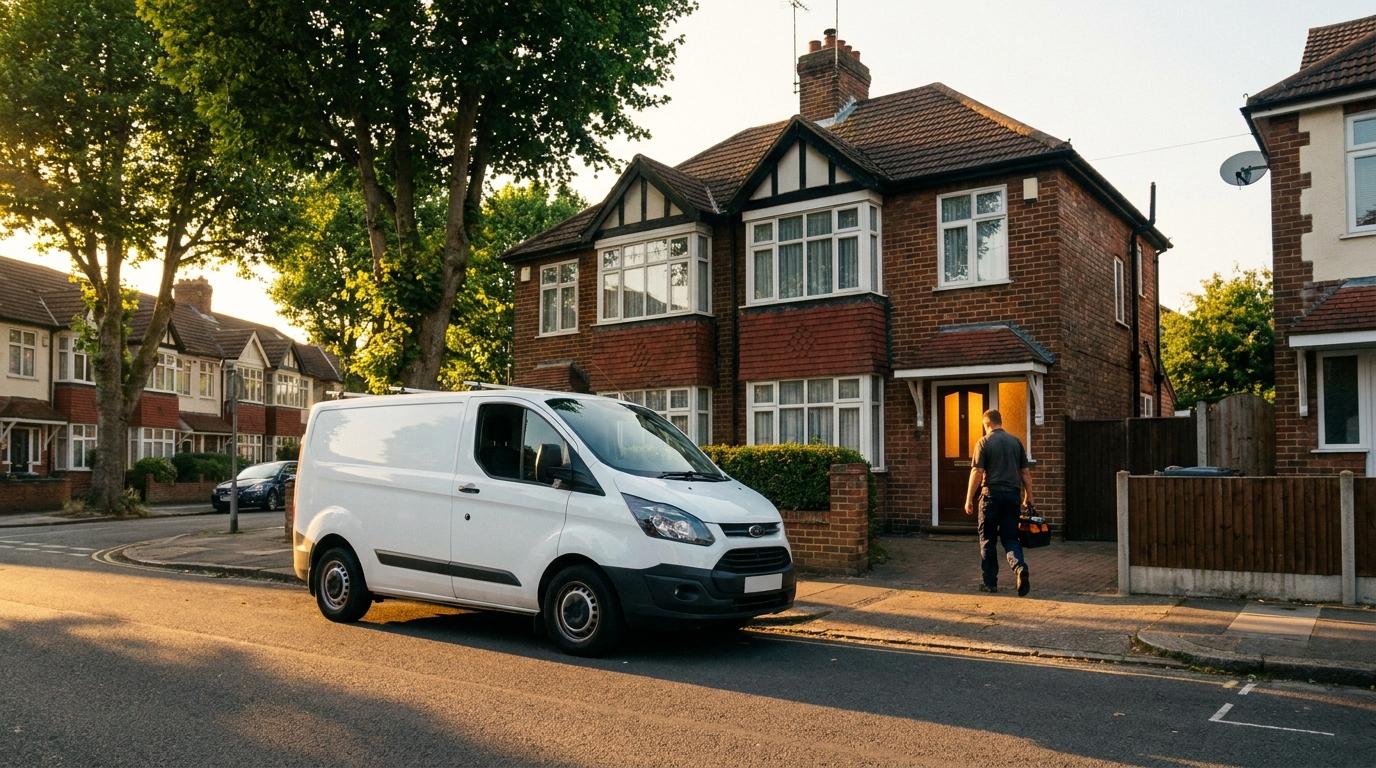
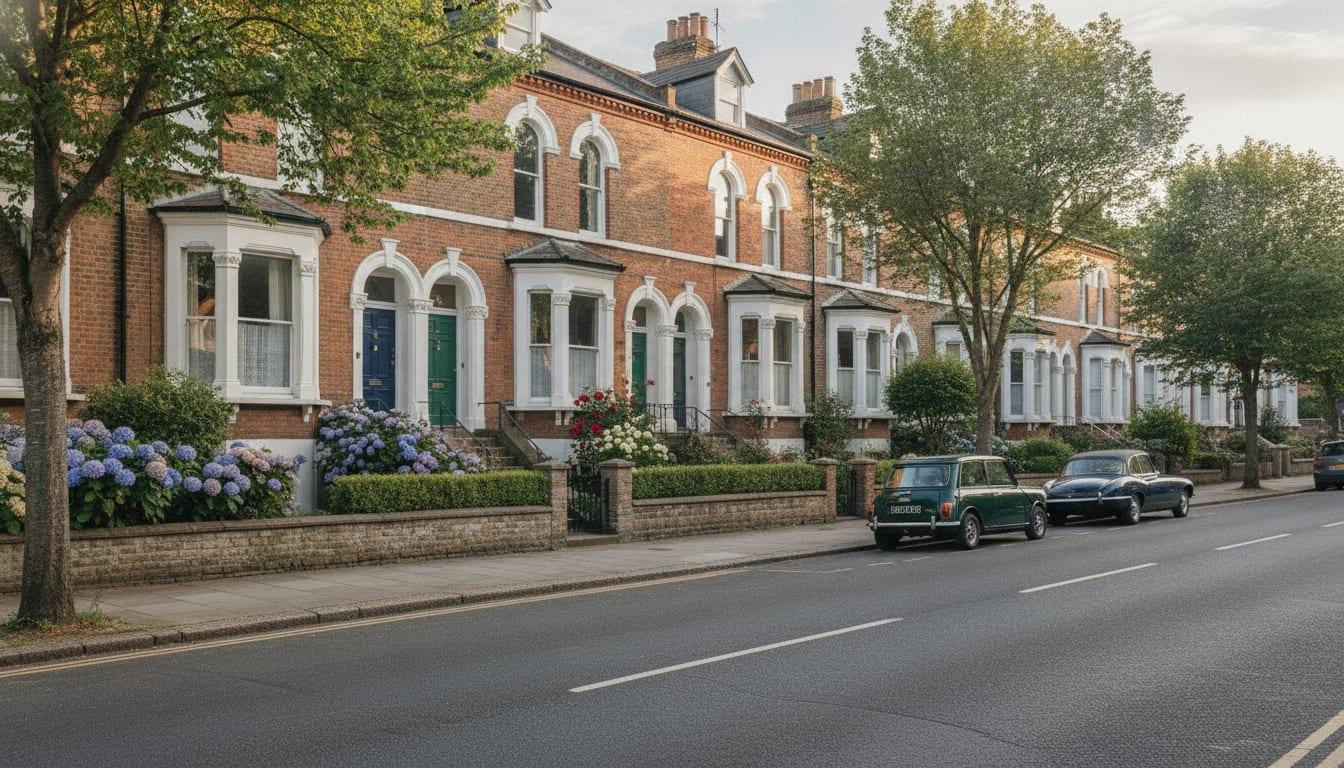
Harborne is a mixed area. You have older Victorian and Edwardian terraces, post-war semis, and a good number of newer builds and converted flats closer to the high street and the hospital. The security picture changes depending on the type of property, but a few things come up constantly.
On older terraces, the rear entry is often the problem. A shared back alley or a low gate between gardens means the back of the house is not visible from the street, and an intruder can work there without anyone noticing. The back door is frequently the weakest door on the property, sometimes still fitted with the original mortice lock, sometimes a replacement uPVC door fitted with a standard cylinder that was never upgraded.
On semis and detached houses with side access, the side gate is the pinch point. If it is low, unlocked, or easy to climb, the back of the house becomes a private workspace. I regularly find that the front door has a decent cylinder fitted because the homeowner focused on what they could see from the street, while the back door has had no attention at all.
On newer uPVC properties throughout the area, the cylinder is almost always the issue. The cylinders fitted by builders and developers are typically the cheapest available, and they offer no resistance to snapping. People are often surprised to learn this, because the door itself looks and feels solid. The door frame, the multi-point mechanism, the slab of the door, all of that is largely irrelevant if the cylinder can be removed with a pair of pliers and a screwdriver in under a minute.
The four fixes that matter most
1. Lock up properly, every time
On a uPVC door, closing it and dropping the latch is not locking it. You must lift the handle to throw the hooks and bolts, then turn the key. Get into the habit, including when you are home but in the garden. This costs nothing and removes the single easiest entry method.
2. Fit anti-snap cylinders
This is the highest-impact upgrade for the money. Replacing a standard cylinder with a tested anti-snap cylinder defeats the most common forced method outright. If you are not sure whether yours is vulnerable, try our 2-minute snap test.
3. Keep your mechanisms healthy
A door that locks smoothly and sits square is far harder to force than one that is dropped or stiff. If your handle is floppy or you are lifting hard to lock, get the mechanism repaired rather than living with it.
4. Remove cover and easy access at the back
Make the rear of your home less inviting: a locked side gate, no tools or bins left out that could help someone over a fence, and trimmed planting so there is nowhere to work unseen. Good outdoor lighting and visibility do a lot of quiet work.
The goal is not to make your home impregnable, it is to make it more effort than the house next door. Opportunists move on from anything that is not quick.
What people get wrong when they try to improve their security
The most common mistake is focusing on the front door while leaving the back untouched. It is understandable, the front door is what you see every day, it is the one you use most often, and it is the one that feels most connected to your sense of home. But the back door is the one an intruder is more likely to try, precisely because it is less visible.
A close second is treating a stiff or difficult lock as a minor inconvenience rather than a sign of a problem. When a uPVC mechanism becomes hard to operate, people adapt around it, lifting the door slightly to engage the lock, or accepting that the handle needs a firm pull. What is actually happening is that the mechanism is wearing, the door may have dropped, and the whole assembly is under stress it was not designed to handle. A door in that condition is easier to force, and the mechanism will eventually fail at an inconvenient moment, possibly locking you in or out entirely. At that point you need an emergency locksmith rather than a planned repair, which is more disruptive and more costly in time.
The third mistake is buying a security product, a door bar, a chain, a padlock for a gate, and fitting it badly. A padlock on a gate hasp that is only held by short screws into soft wood, or a door chain fitted into a frame that is already soft, provides the appearance of security without much of the substance. The fitting matters as much as the product.
How to tell whether your current locks are actually adequate
There are a few things worth checking without needing a locksmith visit. First, look at how much of your euro cylinder protrudes from the door furniture. If there is more than a few millimetres of cylinder visible beyond the handle plate, it is easier to grip and snap. A correctly specified cylinder should sit flush or very close to flush.
Second, look for any markings on the cylinder itself. Tested cylinders meeting current British Standards or carrying a Sold Secure rating will usually have markings or come with documentation. A completely unmarked cylinder with no identifying features is almost certainly a budget fitting with no snap resistance.
Third, operate the lock and notice how it feels. It should be smooth and consistent. Any grinding, stiffness that varies by position, or handle movement that feels loose rather than firm are signs worth investigating. A quick assessment by a local Harborne residential locksmith will tell you exactly where you stand and what, if anything, needs doing.
Where to start
If you do one thing, fit anti-snap cylinders on your external doors and get into the habit of fully locking up. Those two changes neutralise the two most common methods at once. A locksmith can assess the whole picture in a short visit, see our residential locksmith service. We help homeowners across the West Midlands, including Harborne, Solihull and Halesowen.
FAQ
What is the single most effective home security upgrade?
For most homes, fitting tested anti-snap cylinders to the external doors. It directly defeats lock snapping, which is one of the most common forced-entry methods, at a modest cost.
Are most burglaries planned or opportunist?
The majority are opportunist. Intruders look for a quick, low-risk way in, which is why removing easy weaknesses, like unlocked doors and snappable cylinders, is so effective.
Can a locksmith review my whole home, not just one lock?
Yes. A residential security check looks at all your external doors, the cylinders and mechanisms, and access points, then recommends the changes that give the most protection for your budget.
How do I know if my uPVC cylinder is the vulnerable type?
Look at how much of the cylinder sticks out beyond the handle plate. If it protrudes noticeably, it is easier to snap. Also check for any markings or branding on the cylinder itself. An unmarked, unbranded cylinder is very likely to be a standard budget fitting with no snap resistance built in. If you are unsure, a locksmith can check it in a few minutes.
My lock is stiff and difficult to operate. Is that a security risk or just wear?
It is usually both. A uPVC mechanism that is hard to operate is often worn, misaligned, or both. A door that does not sit correctly in its frame or whose multipoint mechanism is struggling is easier to force than one in good working order. It is also a failure waiting to happen. Getting it looked at sooner rather than later is always the better outcome.
Related guides and pages
Need a locksmith now?
Doctor Locks aims to reach you within the hour across Birmingham and the West Midlands. Read more about Residential Locksmith.
Frequently asked questions
What is the single most effective home security upgrade?+
For most homes, fitting tested anti-snap cylinders to the external doors. It directly defeats lock snapping, which is one of the most common forced-entry methods, at a modest cost.
Are most burglaries planned or opportunist?+
The majority are opportunist. Intruders look for a quick, low-risk way in, which is why removing easy weaknesses, like unlocked doors and snappable cylinders, is so effective.
Can a locksmith review my whole home, not just one lock?+
Yes. A residential security check looks at all your external doors, the cylinders and mechanisms, and access points, then recommends the changes that give the most protection for your budget.
Jason has been a locksmith since 1999 and runs Doctor Locks personally, attending jobs across Birmingham and the wider West Midlands. Every article here is written from real work on real doors, not theory.